


Brighten your smile with professional teeth whitening options in Apex, NC at Bass & Watson Family Dental. Schedule a cosmetic consultation.
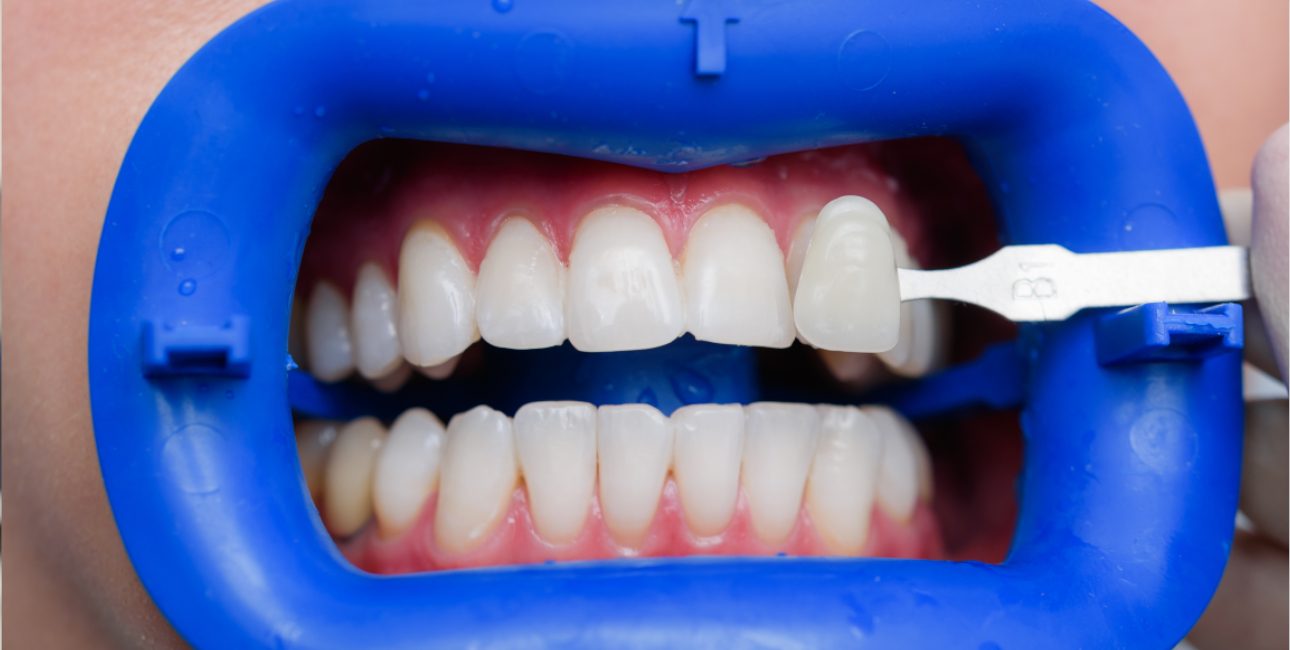
A Brighter Smile with Professional Guidance
Teeth whitening is a common cosmetic option for patients who want to brighten the appearance of their smile. Professional whitening can be helpful for discoloration related to foods, drinks, aging, and certain surface stains.
At Bass & Watson Family Dental, whitening starts with a conversation and an oral health evaluation. We look at your teeth, gums, existing restorations, sensitivity history, and smile goals before recommending a whitening option.
Why Teeth Become Discolored
Teeth can become darker or duller for many reasons, including coffee, tea, red wine, tobacco use, certain foods, aging, past dental work, and enamel changes. Not all discoloration responds the same way to whitening.
Because crowns, veneers, fillings, and bonding do not whiten like natural enamel, it is important to discuss existing dental work before starting treatment. This helps avoid shade mismatches if you plan to whiten before veneers, crowns, or bonding.
Professional Whitening Options
Professional whitening gives patients a guided way to brighten natural tooth enamel with support from the dental team. At Bass & Watson Family Dental, whitening options may include in-office whitening, take-home whitening trays, or a combination approach depending on your goals, sensitivity level, and overall treatment plan.
Our office offers professional whitening systems such as Opalescence and KöR. During your visit, the dentist will explain which option may be appropriate, how to use it safely, what kind of sensitivity may occur, and how to maintain your results after treatment.
Whitening Before Cosmetic or Restorative Care
Whitening is often discussed before color-matched cosmetic or restorative work. If you are planning veneers, bonding, or crowns in the visible smile zone, whitening first can help the dentist select a restoration shade that better matches your brighter natural teeth.
If your teeth have internal discoloration, existing dental work, or sensitivity concerns, the dentist may recommend a different approach or a phased cosmetic plan.
Is Teeth Whitening Right for You?
Whitening may be a good option if your teeth and gums are healthy and your main concern is the shade of your natural teeth. If you have cavities, gum inflammation, exposed roots, cracked teeth, or sensitivity, those concerns may need to be addressed first.
For more complex cosmetic goals, whitening may be one step in a larger smile makeover plan. We will help you understand what whitening can and cannot change before you begin.
Setting Realistic Whitening Expectations
Professional teeth whitening can brighten many types of surface and age-related discoloration, but results vary. Tooth shade, enamel thickness, diet, tobacco use, previous whitening, existing sensitivity, and the type of stain all affect what can be achieved. Some stains respond well to whitening, while others may need cosmetic alternatives such as bonding, veneers, or crowns.
At Bass & Watson Family Dental, whitening starts with an oral health evaluation. Whitening is usually most appropriate when teeth and gums are healthy and the main concern is the shade of natural enamel. If cavities, gum inflammation, cracked teeth, or sensitivity are present, those concerns may need attention first.
Whitening Around Existing Dental Work
Crowns, veneers, fillings, bonding, bridges, and dentures do not whiten the same way natural enamel does. This is important for patients who have visible restorations or are planning cosmetic treatment. If a patient whitens natural teeth after a restoration is made, the restoration may no longer match as closely.
For that reason, whitening is often discussed before visible crowns, veneers, bonding, or smile makeover treatment. The dentist can help plan shade selection so cosmetic or restorative work is coordinated with the patient’s broader smile goals.
Maintaining a Brighter Smile
Whitening results are not unchanging. Coffee, tea, red wine, tobacco, dark sauces, normal aging, and oral hygiene habits can all affect how long a brighter shade lasts. Patients may benefit from periodic touch-ups, routine cleanings, and habits that reduce new staining.
The team can also discuss sensitivity management. Some patients experience temporary sensitivity during or after whitening. If sensitivity is already a concern, the dentist may recommend a gentler approach, a different timeline, or addressing other dental concerns before whitening begins.