


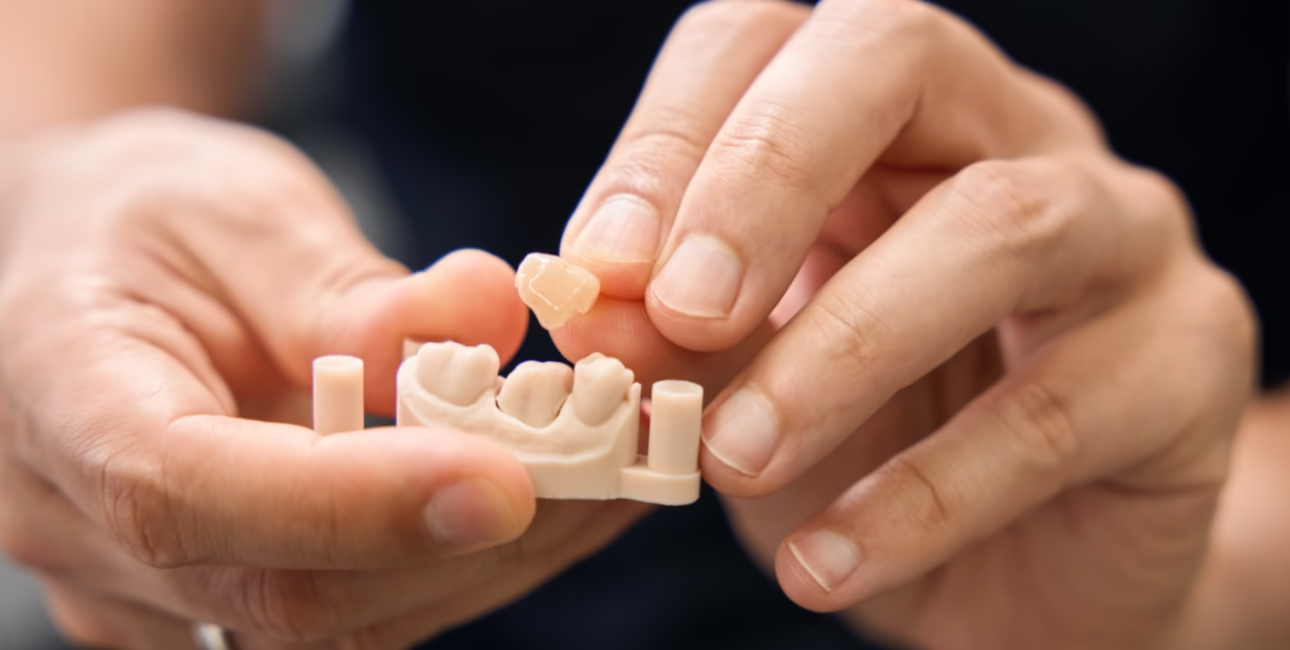
Restoring Damaged or Missing Teeth
Teeth can become damaged by decay, fractures, heavy wear, large fillings, trauma, or changes in the bite. Missing teeth can also affect chewing, speech, smile confidence, and the way nearby teeth fit together. Crowns and bridges are restorative options used to rebuild or replace teeth when a smaller repair is not enough.
At Bass & Watson Family Dental, we offer same-day crown care for many eligible cases and bridge options for replacing missing teeth. The right recommendation depends on the tooth, the bite, remaining structure, oral health, and long-term goals.
When a Dental Crown May Be Recommended
A crown covers and protects a tooth that needs more support than a filling can provide. Crowns may be recommended for teeth with large cavities, broken or cracked areas, severe wear, failing fillings, root canal treatment, or cosmetic concerns that also involve tooth structure.
The dentist will examine the tooth and discuss whether a filling, crown, onlay, veneer, extraction, implant, or another option makes the most sense. When a crown is recommended, we will explain why and how it fits into the overall treatment plan.
CEREC Same-Day Crown Technology
Our office uses CEREC same-day restoration technology. CEREC allows our team to design and create certain crowns in the office using digital records and in-office milling technology. For eligible cases, this may reduce the need for a temporary crown or a separate return visit.
Same-day crown care is not appropriate for every tooth. Some cases require a different material, more planning, lab involvement, or additional treatment before the final restoration is placed. We will explain whether CEREC is appropriate after reviewing your tooth, bite, and clinical needs.
Dental Bridges for Missing Teeth
A dental bridge can replace one or more missing teeth by using neighboring teeth or restorations for support. Bridges can help restore chewing ability, close a visible gap, support speech, and reduce the shifting of nearby teeth.
Bridge planning depends on the health of the supporting teeth, the space being restored, bite forces, and whether a dental implant or partial denture may be a better option. We will compare options in practical terms so you understand the benefits and limitations of each path.
Planning the Right Restoration
Restorative care is meant to protect function, not just improve appearance. During your visit, we will review imaging if needed, evaluate your bite, discuss material considerations, and explain what follow-up care may be needed.
If a tooth is infected, root canal therapy may be needed before a crown. If a tooth cannot be predictably restored, extraction and replacement options may be discussed. The goal is to help you make a decision with a clear understanding of why the recommendation fits your situation.
Choosing Between a Filling, Crown, or Bridge
Not every damaged tooth needs the same kind of restoration. A filling may be appropriate when the damaged area is smaller and enough healthy tooth structure remains. A crown may be recommended when a tooth needs more coverage because of a crack, large cavity, old failing filling, heavy wear, or root canal treatment. A bridge may be discussed when one or more missing teeth need replacement and the neighboring teeth can support the restoration.
At Bass & Watson Family Dental, crown and bridge recommendations are based on the tooth, bite, symptoms, existing dental work, cosmetic goals, and long-term function. The dentist will explain why a restoration is being recommended and what the alternatives may be.
How Same-Day Crown Planning Works
CEREC same-day crown technology can be helpful for many eligible crown cases because the restoration can be designed and made in the office. The process may include preparing the tooth, taking a digital impression, designing the restoration, milling the crown, checking the fit and bite, and bonding or cementing the final restoration.
Same-day care is convenient, but it is still case-specific. Some teeth, materials, bite concerns, bridge designs, or clinical situations may require a traditional lab-made restoration or a different appointment sequence. After your exam, we will explain whether CEREC same-day crown care is appropriate or whether another timeline is better for your tooth.
Protecting the Restoration After Treatment
A crown or bridge is built to restore function, but long-term success still depends on home care, regular dental visits, bite health, and attention to symptoms. Patients should clean carefully around crown margins and under bridges, report bite changes, and avoid using teeth as tools. If a nightguard is recommended for clenching or grinding, that should be discussed as part of the maintenance plan.
Patients also need to know that a crown protects the visible tooth structure but does not make the tooth immune to future problems. Decay can still occur around the margins, and gum health still matters. Clear maintenance guidance helps patients protect their investment after restorative care.