


Preventive Dental Care That Helps You Stay Ahead
Routine cleanings and exams help our team monitor your oral health before small concerns become more complicated. Even when your teeth feel fine, a dental exam can reveal early signs of cavities, gum inflammation, tooth wear, cracked restorations, bite concerns, or changes that should be watched over time.
At Bass & Watson Family Dental, preventive care is not rushed through a checklist. We use these visits to understand what has changed, answer questions, and help you make informed decisions about your smile.
What Happens During a Dental Exam
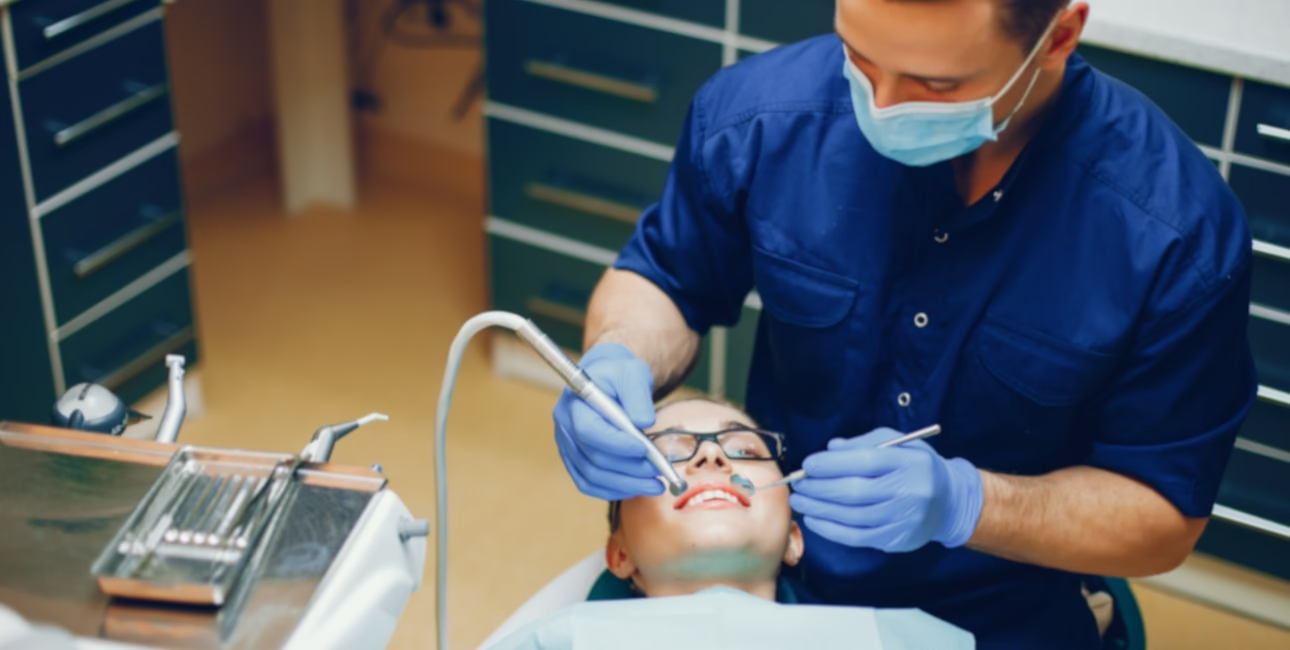
During an exam, the dentist evaluates your teeth, gums, bite, existing dental work, and any symptoms you are experiencing. Dental X-rays or other imaging may be recommended when the dentist needs to see between teeth, below the gumline, or around areas that cannot be fully evaluated during a visual exam.
Your exam may also include periodontal measurements, an oral cancer screening, and a review of home care habits. If we find a concern, we will explain what it means, how urgent it is, and what options may be available.
Professional Cleanings and Gum Health
Dental cleanings remove plaque and tartar buildup that brushing and flossing cannot fully reach. This is important because buildup around the gumline can contribute to inflammation, bleeding, bad breath, gum disease, and bone loss over time.
Your hygienist can also help you understand where buildup is collecting and how to improve your routine at home. For some patients, that may mean a different brushing technique, flossing aid, electric toothbrush, water flosser, or a more frequent maintenance schedule.
Guided Biofilm Therapy and Patient Education
The current technology page references Guided Biofilm Therapy for cleanings. When used, this technology helps identify and remove biofilm so the hygiene team can focus on areas that need attention.
Technology is helpful, but education is just as important. We want you to leave with a clearer understanding of your oral health, not just a clean smile.
How Often to Schedule Cleanings and Exams
More Than a Quick Polish
A dental cleaning and exam should do more than make teeth feel smooth for the day. These visits give the team a chance to look for early signs of cavities, gum inflammation, bite changes, cracked teeth, wear, dry mouth, oral cancer concerns, and changes around existing dental work. For patients with crowns, bridges, implants, dentures, or orthodontic history, routine visits also help monitor how those restorations and appliances are holding up over time.
At Bass & Watson Family Dental, we use the preventive visit to help patients understand what is healthy, what needs attention, and what can be watched. If something is changing, we would rather catch it early and explain options before it becomes more uncomfortable or more complicated.
Gum Health and Periodontal Screening
Healthy gums are the foundation for long-term oral health. During an exam, the team may evaluate gum tissue, pocket depths, bleeding, recession, bone support, and areas where plaque or tartar tends to collect. These findings help determine whether a routine cleaning is appropriate or whether a different type of periodontal care should be discussed.
Patients are sometimes surprised to learn that bleeding gums are not something to ignore. Gum inflammation can be linked to plaque buildup, home care challenges, medical factors, medications, or existing periodontal disease. Our team can explain what we see and help patients understand how to care for those areas between visits.
Technology and Patient Education During Preventive Visits
Digital imaging and other diagnostic tools can help our team better understand your oral health during preventive visits. Depending on your needs, your visit may include tools such as digital imaging, digital sensors, panoramic X-rays, CBCT imaging, intraoral cameras, digital impressions, or Guided Biofilm Therapy when appropriate.
When images or photos are recommended, they can help you see what the dentist or hygienist is seeing. This makes it easier to understand what was found, what to focus on at home, and whether any next steps are recommended.
Our goal is to make preventive dentistry feel practical and easy to understand. Some patients do well with standard six-month visits, while others may need a different schedule based on gum health, cavity risk, medical history, or restorative needs.